By Steve Myers
October 26, 2026
Outdoor spaces can be attractive and practical while reflecting a thoughtful approach to the environment. Material selection, site preparation, drainage, and ongoing care all influence how a patio, path, or gathering area performs over time. Decorative pebble paving can contribute texture and natural color to a landscape, while helping a property feel connected to its surroundings. Sustainable design is not simply about choosing a material that looks natural; it involves considering how the finished space interacts with soil, water, plants, and everyday use. With careful planning, outdoor improvements can balance visual appeal, durability, and environmental awareness.
Material Choices for Outdoor Surfaces
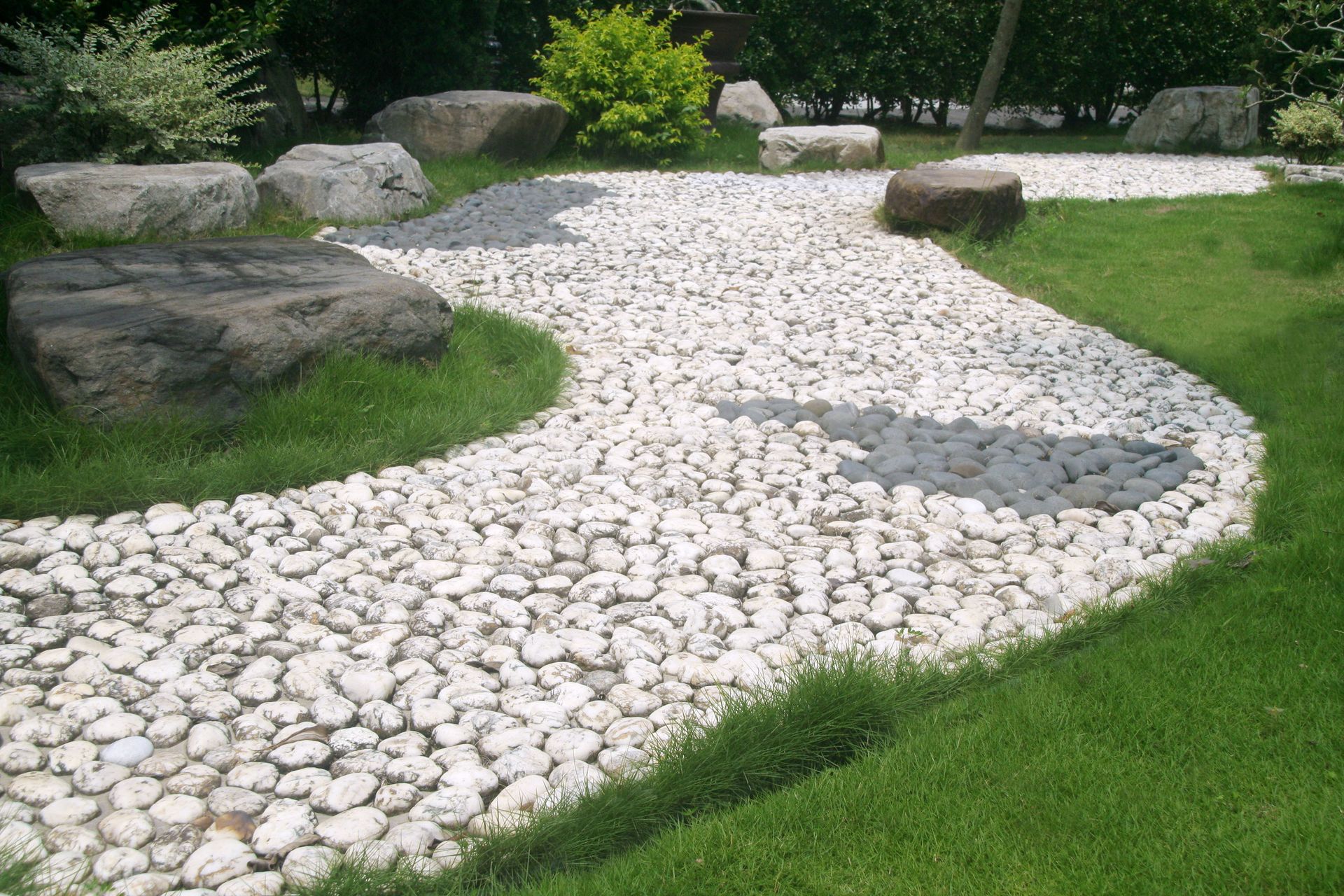
A surface material shapes the character of an outdoor area, affecting its appearance and how it fits into the wider landscape. Pebbles offer varied colors, shapes, and textures, creating a finish that can complement planting beds, garden borders, courtyards, and walkways. Decorative pebble paving can work with contemporary or traditional settings because the visual result depends on the selected stone, the surrounding features, and the layout. Choosing tones that relate to nearby masonry, foliage, or architectural details can help the surface feel integrated rather than added as an afterthought.
Sustainability begins with understanding the material and how it will be installed. Property owners can ask where the aggregate comes from, how it is prepared, and which installation methods suit the site. Transport distance, product processing, and the need for replacement all affect the broader environmental picture. A knowledgeable installer can explain available finishes and practical trade-offs without suggesting that any material is automatically sustainable in every situation.
Resource-Conscious Planning
Thoughtful planning can reduce unnecessary material use and help an outdoor project fit the site. Before work begins, the intended purpose of the area should be clear. A path may need to guide foot traffic, while a patio may need to support seating and regular gatherings. The layout should account for access, surrounding structures, planting areas, and existing grades. This finish is most effective when its placement responds to how people will move through the landscape, rather than covering space without a clear purpose.
Accurate measurements and careful preparation help prevent excess ordering and avoidable waste. The installer should assess the surface area, the condition of the base, and the amount of material required to create an even finish. It is also useful to consider how the site may change as plants mature or outdoor features are added. Planning around existing trees, garden beds, and useful natural features can preserve character and limit unnecessary disturbance.
Water Management and Soil Health
Water movement is an important part of sustainable outdoor design. Rain that collects against buildings, pools in low spots, or washes soil from planting areas can create maintenance problems and affect nearby landscaping. Site grading, drainage provisions, and the structure beneath a decorative surface should be considered together. Decorative pebble paving does not automatically make a surface permeable; performance depends on the complete installation system, including the base, binder, and site conditions. Property owners should discuss how rainfall will move through or away from the finished area before choosing an installation approach.
Protecting soil also matters during construction. Heavy equipment, unnecessary excavation, and poorly managed runoff can disturb nearby planting areas or compact the ground. Clear work boundaries and careful staging help limit disruption to trees, shrubs, and established garden beds. Where planting is part of the design, soil conditions should support healthy root growth and appropriate drainage. The finished layout should connect paving with the landscape rather than isolate it from the living elements around it. This approach helps the outdoor space function as a coordinated environment.
Habitat-Friendly Landscaping
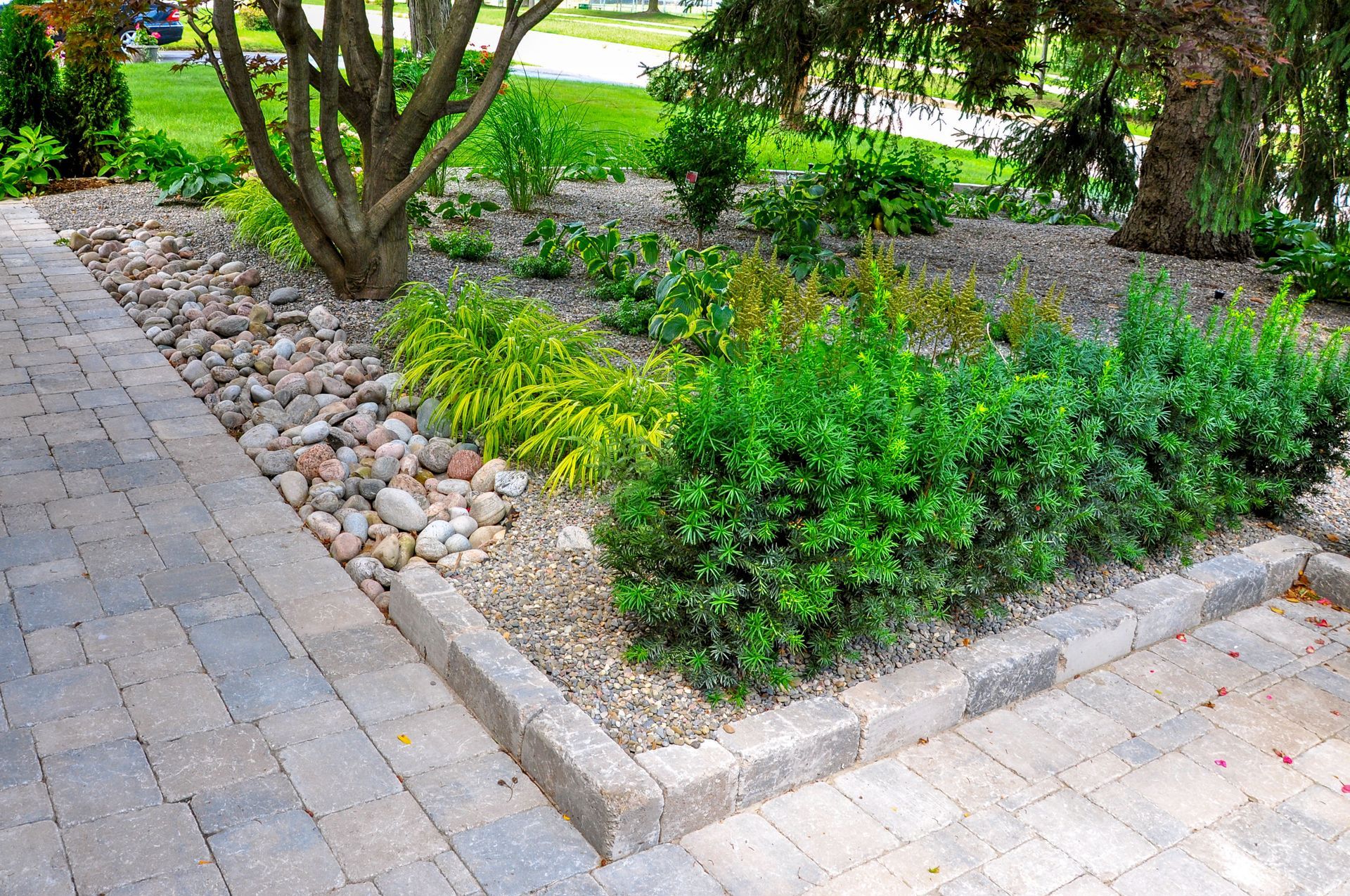
Sustainable outdoor spaces can make room for plants and wildlife instead of treating every part of a property as a hard surface. Native and regionally suitable plants can support local pollinators when their needs match the site. Flowering plants, shrubs, and trees may provide food and shelter, while thoughtful placement can soften the edges of a paved area. Decorative pebble paving can create a visual transition between built features and planted zones, especially when its colors complement nearby foliage and natural stone.
According to Elevate by Design, 24% of experts continue to rank sustainability as a leading priority, highlighting interest in environmentally conscious materials and landscaping that supports pollinators. This perspective can guide planning without requiring a property to sacrifice comfort or visual cohesion. Designers can consider how paved areas relate to garden beds, where rainwater flows, and whether the landscape offers suitable habitat. A balanced plan gives hardscape and planting distinct roles, allowing each to contribute to the property's overall function and appearance.
Durability and Ongoing Care
The environmental impact of an outdoor surface also depends on how well it performs after installation. A finish that requires frequent repairs or premature replacement may demand additional materials and labor. The right system depends on traffic, weather exposure, drainage, the condition of the base, and the intended use of the area. Decorative pebble paving should be selected and installed with these conditions in mind, so the surface can remain attractive and functional under normal use.
Routine maintenance helps protect the appearance of a finished surface. Leaves, dirt, and organic debris can collect between textured areas, particularly near trees and garden beds. Appropriate cleaning methods should follow the installer's guidance and the requirements of the chosen materials. Owners should also monitor drainage, loose areas, and changes around the edges so small concerns can be addressed before they grow. Avoiding harsh or unsuitable cleaning products can protect surrounding plants and reduce the chance of damaging the surface.
Design Integration and Practical Use
A sustainable outdoor project should serve the people who use it while respecting the property's existing character. Paths need comfortable access, patios should suit the intended activities, and transitions between surfaces should feel natural. Color and texture can connect a paved area with nearby walls, steps, planting, and outdoor furniture. Decorative pebble paving offers a distinctive finish that can define a space without relying on an overly elaborate pattern. The most successful design is usually the one that feels appropriate to the setting and remains practical as the property evolves.
The design should also consider accessibility and everyday upkeep. Stable transitions, sensible slopes, clear walking routes, and thoughtful edge details can make outdoor areas easier to navigate. Seating, lighting, planters, and shade should be arranged so they support the intended use rather than obstruct movement. Where multiple materials meet, careful detailing can help reduce tripping concerns and keep the composition visually consistent.
Seasonal conditions should also inform the design. Sun exposure, rainfall, falling leaves, and temperature changes can influence comfort and upkeep around the property. Considering these factors early helps owners place seating, select suitable plants, and plan drainage without relying on frequent adjustments later.
Sustainable outdoor design is built through informed choices, careful installation, and attention to the relationship between hard surfaces and the natural landscape. Property owners who are considering a new patio, path, or garden feature can evaluate material sourcing, water management, habitat support, durability, and maintenance before committing to a design. For guidance on creating a distinctive outdoor surface that aligns with the needs of the property, contact Lusterstone Decorative Pebble Paving and start planning a landscape that brings lasting style and thoughtful design together.