By Steve Myers
June 17, 2026
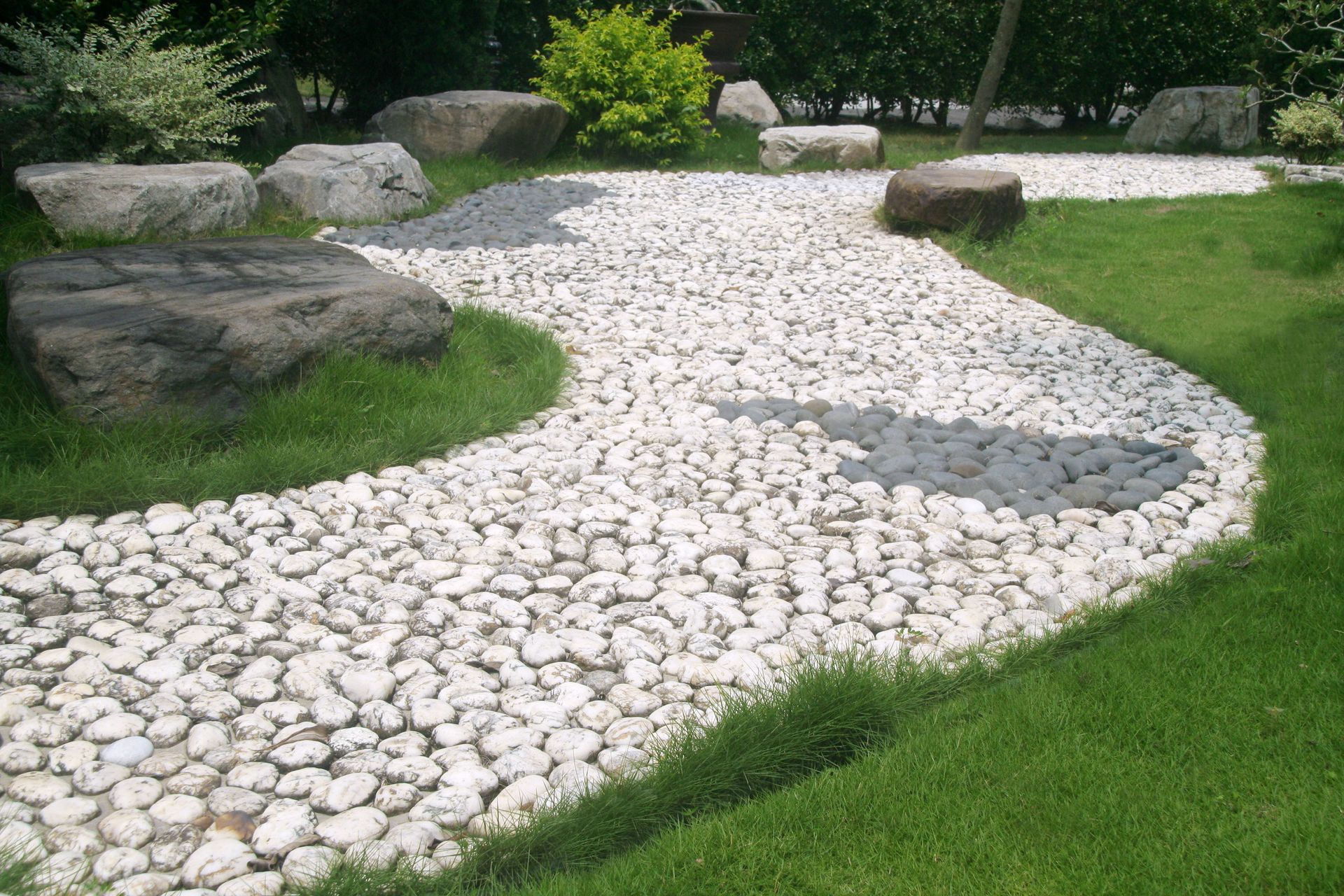
The exterior of a home serves as the first impression for guests and a personal sanctuary for residents, so choosing surfacing materials is a critical decision. Among the most versatile and aesthetically pleasing options available today is decorative pebble paving, a solution that blends natural beauty with industrial-strength durability. Unlike traditional concrete, this specialized paving technique utilizes a mixture of high-quality natural stone aggregates and advanced resin binders to create a seamless, slip-resistant surface. However, as with any premium investment, the longevity of your stone finish depends heavily on a consistent maintenance regimen. While the material is designed to withstand the elements, understanding the nuances of its care ensures that your outdoor spaces remain as vibrant as the day they were installed. In this guide, we explore the essential steps to preserve the integrity of your stone surfaces, ensuring they add value for decades.
Cleaning the Surface Regularly
Maintaining the pristine appearance of your installation begins with a proactive approach to cleanliness. Because the texture of the stones can occasionally trap fine dust or organic debris, a weekly sweep with a stiff-bristled broom is the most effective way to prevent buildup. If left unattended, organic matter like damp leaves can break down and cause minor staining or provide a foothold for moss in shaded areas. For a deeper refresh, a low-pressure garden hose can wash away sediments. Avoid high-pressure washers, as excessive force can stress the resin bond over many years. Instead, a gentle spray combined with a mild detergent is usually sufficient.
When dealing with spills, particularly oils or acidic liquids, time is of the essence. While the resin coating offers protection, blotting the spill immediately prevents penetration into the sub-base. According to Elevate by Design, 24% of experts say sustainability remains a top priority, emphasizing eco-conscious materials and pollinator-friendly landscaping, which underscores the importance of choosing biodegradable cleaning agents. By opting for eco-friendly soaps, you ensure that your decorative pebble paving routine aligns with modern environmental standards. Consistency is key; integrating a quick rinse into your schedule minimizes the need for intensive deep-cleaning later.
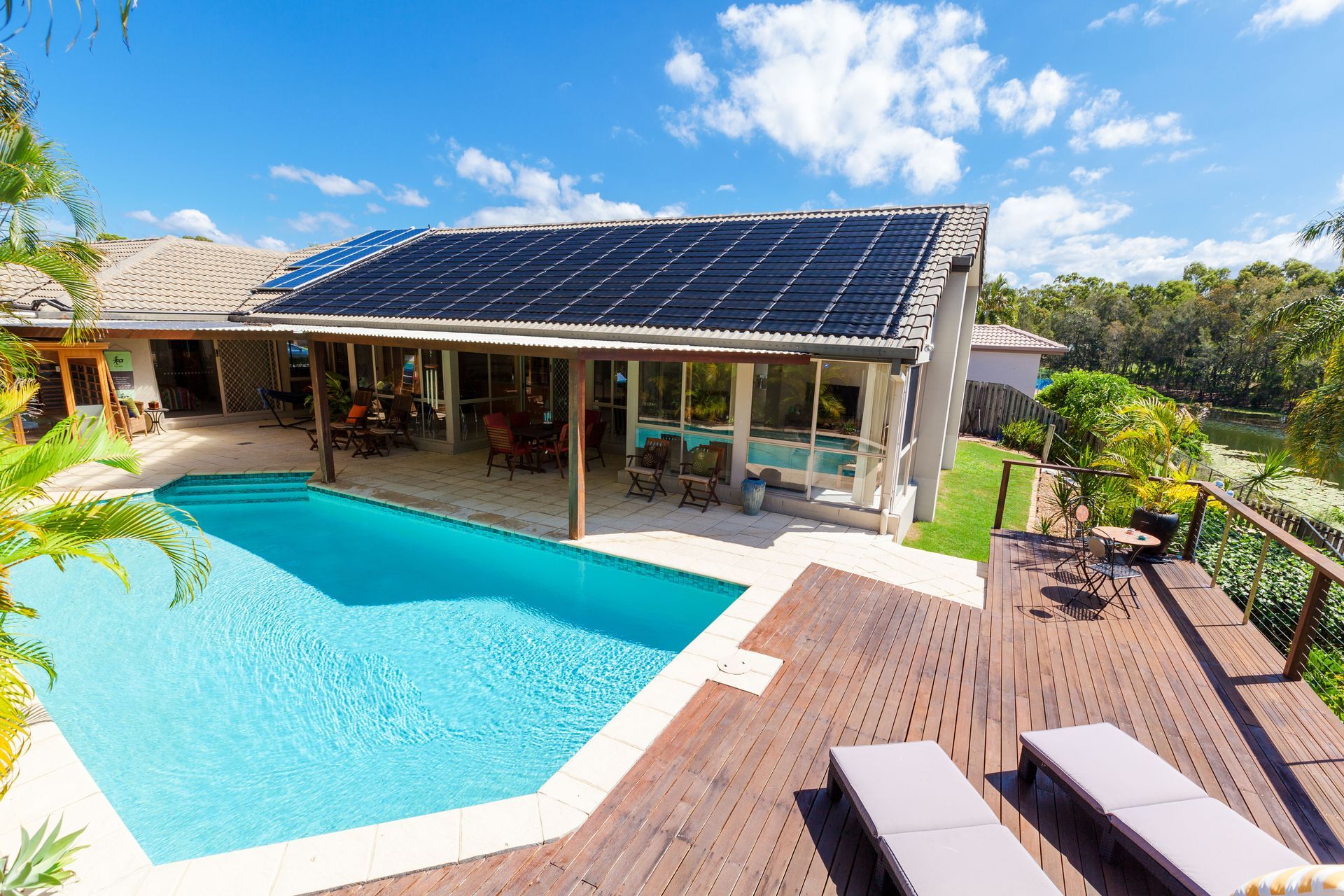
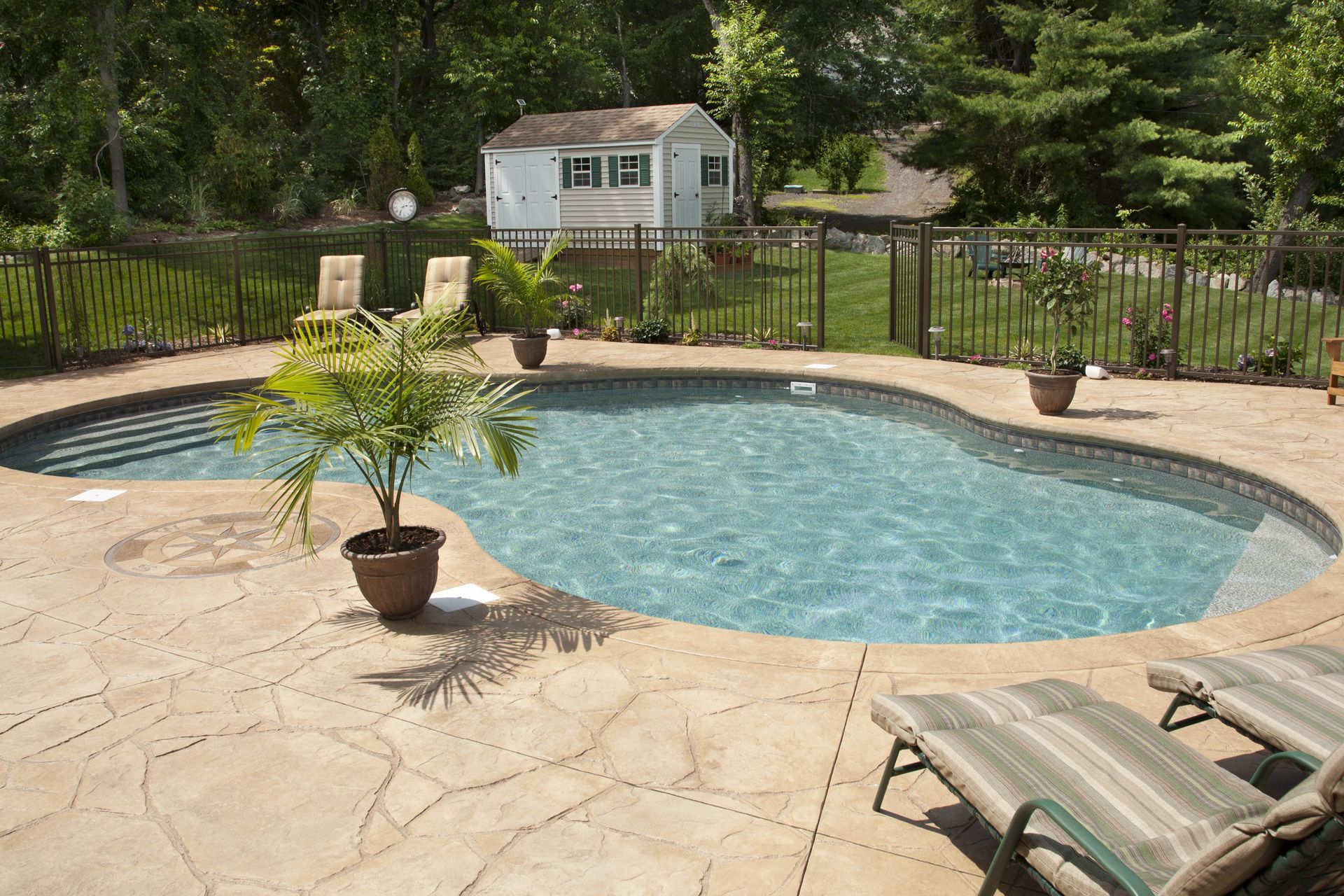
Beyond physical dirt, monitor the environment surrounding the paved area. Overhanging trees may drop sap or seeds that require more frequent attention. In autumn, leaf fall can increase the risk of tannins leaching into the stone if allowed to rot. Furthermore, if your paving is near a pool, regular rinsing is necessary to remove salt or chlorine deposits that might dull the finish. This foundational step acts as the primary defense against the gradual fading of the natural stone colors, keeping the entire landscape looking professionally managed.
Sealing the Aggregate Professionally
The secret to the durability of resin-bound systems lies in the protective barrier provided by professional-grade sealants. While the initial installation includes a high-performance binder, the top layer is constantly exposed to ultraviolet radiation and mechanical friction. Over several years, these factors can wear down the uppermost protective coating. Re-sealing your decorative pebble paving every three to five years is a standard recommendation to maintain its structural integrity and brilliance. A high-quality UV-stable sealer acts like a sunscreen for your driveway, preventing the stones from bleaching and ensuring the resin remains flexible.
The process of re-sealing should be performed during dry weather. Moisture is the enemy of a successful seal; therefore, the surface must be dry for 48 hours before application. When the new coat is applied, it fills microscopic pores and reinforces the bond between pebbles, creating a unified surface that is resistant to weed growth and water ingress. A robust seal prevents this moisture penetration, effectively winter-proofing your investment for the long term.
Choosing the right sealer is just as important as the application. Most professionals recommend a solvent-based polyurethane sealer, depending on the stone type. It is beneficial to consult with installers to ensure compatibility with the existing resin. Applying the sealer too thickly can lead to a cloudy appearance, so a thin coat using a roller is preferred. Once sealing is complete, the decorative pebble paving will regain its original depth of color and provide an enhanced non-slip texture. This periodic treatment is the most cost-effective way to extend the lifespan of the surface, as it reduces natural wear while providing a refreshed, luxurious aesthetic that mirrors a brand-new installation for every visitor to admire.
Repairing Physical Wear Promptly
Even durable surfaces can fall victim to unforeseen accidents or extreme conditions. Whether it is a heavy object being dropped or ground movement, minor cracks or stone loss can occasionally occur. The key to management is addressing these issues the moment they are spotted. Small cracks can expand over time as dirt finds its way into the gap. Fortunately, decorative pebble paving is one of the easiest surfaces to patch seamlessly. Because it is composed of individual stones, a repair kit containing matching aggregate and resin can fill small voids without leaving an unsightly patchwork look.
To perform a minor repair, the damaged area should first be cleared of loose stones. A wire brush can roughen the edges of the existing paving to ensure the new resin creates a strong bond. Once the area is dry, the new stone mix is troweled into the space, leveled, and allowed to cure. Because the stones are natural, slight variations in color usually blend in after a few weeks of exposure. This localized approach to maintenance prevents small problems from turning into expensive renovations.
Protecting the Aesthetic Daily
While maintenance and sealing are vital, daily habits play a significant role in longevity. One common cause of wear is dragging heavy objects across the surface. Metal furniture or sharp tools can scratch the resin coating if dragged. Using rubber feet on furniture or mats under pots can mitigate this risk. For driveways, avoiding dry steering—where the wheel is turned while stationary—prevents torsional stress on the stones. These small adjustments go a long way in preserving the smooth finish of your decorative pebble paving.
Climate-specific protection is also a consideration. In regions with snowfall, the use of metal snow shovels should be avoided in favor of plastic alternatives. Metal blades can gouge the surface if used aggressively. Similarly, while many ice-melt products are safe, check manufacturer guidelines to ensure chemicals will not react with the resin. Generally, rock salt is safe, but excessive use should be followed by a rinse once the thaw begins to prevent salt crystals from drying and clouding the surface.
Finally, consider the impact of garden chemicals. When applying fertilizers to nearby lawns, take care to prevent the spray from drifting onto the stone. Some high-iron fertilizers can leave rust-like stains if they become wet. If contact occurs, a quick spray with water will neutralize the threat. By treating your paving with the same care as a high-end interior floor, you maintain its status as a premium feature. This daily mindfulness creates a low-stress ownership experience that allows you to spend more time enjoying your outdoor living areas and less time worrying about their upkeep. Managing weight limits is also crucial; avoid driving heavy industrial machinery onto surfaces only rated for light domestic use. By combining behavioral changes with physical protections, you create a comprehensive safety net for your investment, allowing it to withstand the rigors of life without losing its refined character.
Maintaining a beautiful outdoor space is a journey of consistency and care, and choosing the right materials is the first step toward long-term success. As we have explored, the requirements for keeping your stone surfaces in top condition are relatively straightforward, focusing on regular cleaning, periodic sealing, and mindful daily use. By following these professional tips, you can ensure that your
decorative pebble paving remains a stunning, durable, and eco-friendly asset to your property. Investing a small amount of time into the preservation of your paving not only enhances the curb appeal of your home but also protects the financial investment you have made in your landscape.
Lusterstone Decorative Pebble Paving provides the expertise and high-quality materials needed to transform your exterior surfaces into works of art. Our team is dedicated to helping you choose and maintain a paving solution that reflects your personal style while meeting the highest standards of durability. Contact us today to learn more about how we can help you achieve the perfect, long-lasting finish for your home.