A swimming pool is often one of the most enjoyable features of a home, especially during warmer months when outdoor spaces become gathering areas for family and friends. However, over time, pool decks can begin to show signs of wear due to constant exposure to water, sunlight, heavy foot traffic, and changing weather conditions. Pool deck resurfacing is an effective way to restore the appearance, safety, and durability of the space without completely replacing the existing structure. Here is what to expect during a professional pool deck resurfacing project.
The Initial Inspection and Consultation
The first stage of a pool deck resurfacing project usually begins with an inspection and consultation. During this visit, contractors evaluate the condition of the existing surface and determine whether resurfacing is the best solution. The contractor will look for issues such as cracks, uneven areas, drainage concerns, surface deterioration, and structural damage. Minor imperfections can typically be repaired during resurfacing, but more serious foundation problems may require additional work before the project can proceed.
Homeowners also discuss design preferences during this stage. Contractors may present options for colors, textures, decorative finishes, stamped patterns, and coating materials. This is an opportunity to explore how the resurfaced deck can complement the home’s landscaping, pool design, and outdoor living space. After the inspection, the contractor usually provides a detailed estimate outlining the project scope, timeline, materials, and expected costs.
Preparing the Pool Deck Area
Proper preparation is one of the most important parts of a successful pool deck resurfacing project. Before new materials can be applied, the existing deck must be thoroughly cleaned and prepared to ensure proper adhesion. Furniture, outdoor décor, planters, and pool accessories are typically removed from the work area before construction begins. Contractors may also cover nearby landscaping and pool features to protect them from dust and debris.
The existing surface is then cleaned using pressure washing or specialized cleaning equipment to remove dirt, oils, mildew, algae, and loose material. Any contaminants left on the surface could interfere with the bonding process and reduce the durability of the new finish. Depending on the condition of the deck, contractors may also grind or sand the surface to create the proper texture for resurfacing materials.
Repairing Cracks and Surface Damage
Before resurfacing materials are installed, visible damage on the existing deck must be repaired. Cracks, chips, holes, and uneven sections are addressed to create a stable foundation for the new surface. Small cracks may be filled with repair compounds or specialized patching materials designed for concrete applications. Larger damaged areas may require more extensive repairs before resurfacing can continue.
Leveling uneven surfaces is also important for both safety and appearance. Contractors may correct low spots, drainage issues, or trip hazards during this stage of the project. Addressing these issues beforehand helps improve the durability and finished appearance of the resurfaced deck. Proper repairs also reduce the likelihood of future cracking or surface problems.
Choosing the Right Resurfacing Material
One of the most exciting aspects of pool deck resurfacing is selecting the new finish. Homeowners often have several options depending on their style preferences, budget, and functional goals. Popular resurfacing materials include acrylic coatings, textured overlays, stamped concrete systems, spray textures, and decorative concrete finishes. Each option offers different benefits in terms of appearance, slip resistance, durability, and maintenance requirements.
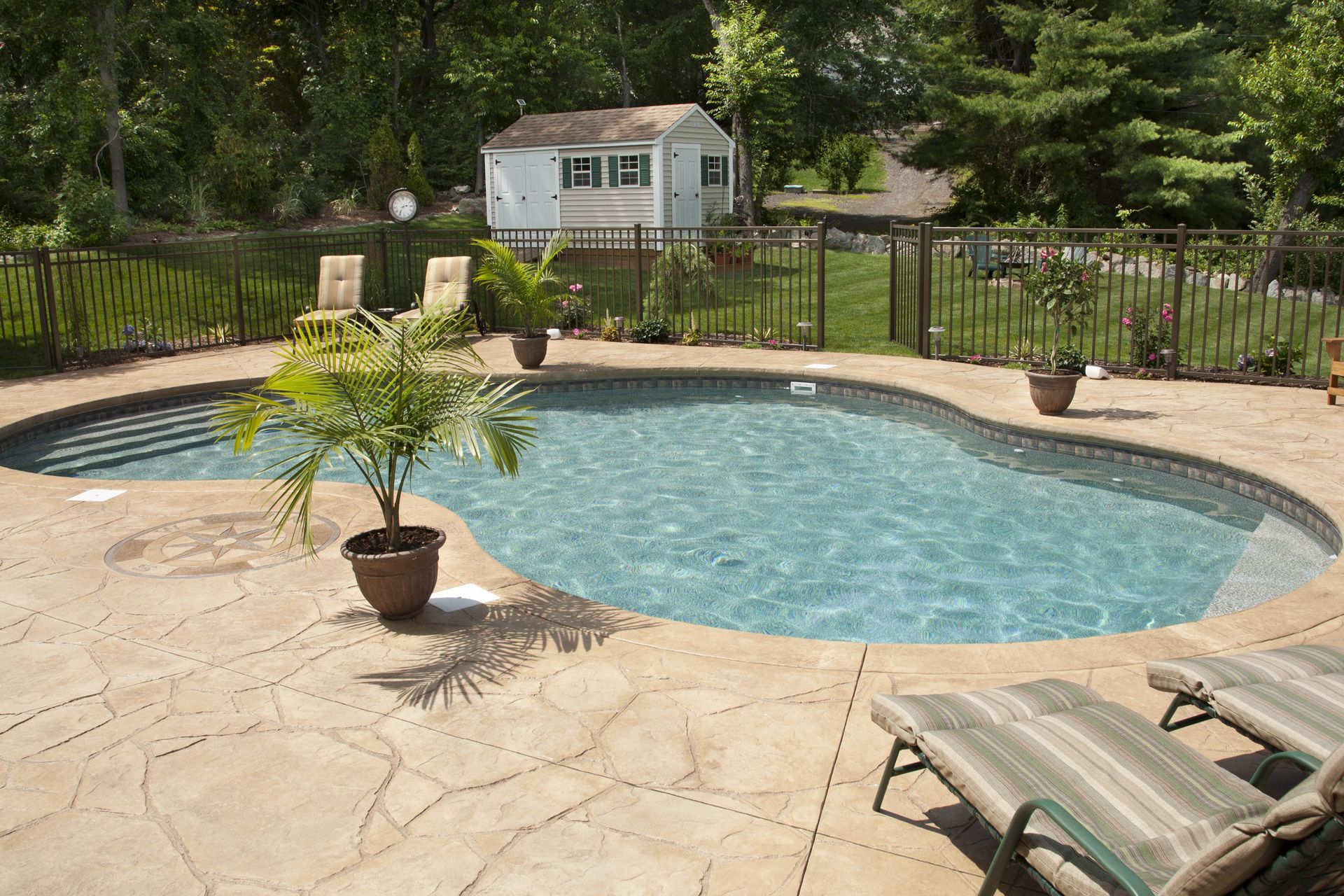
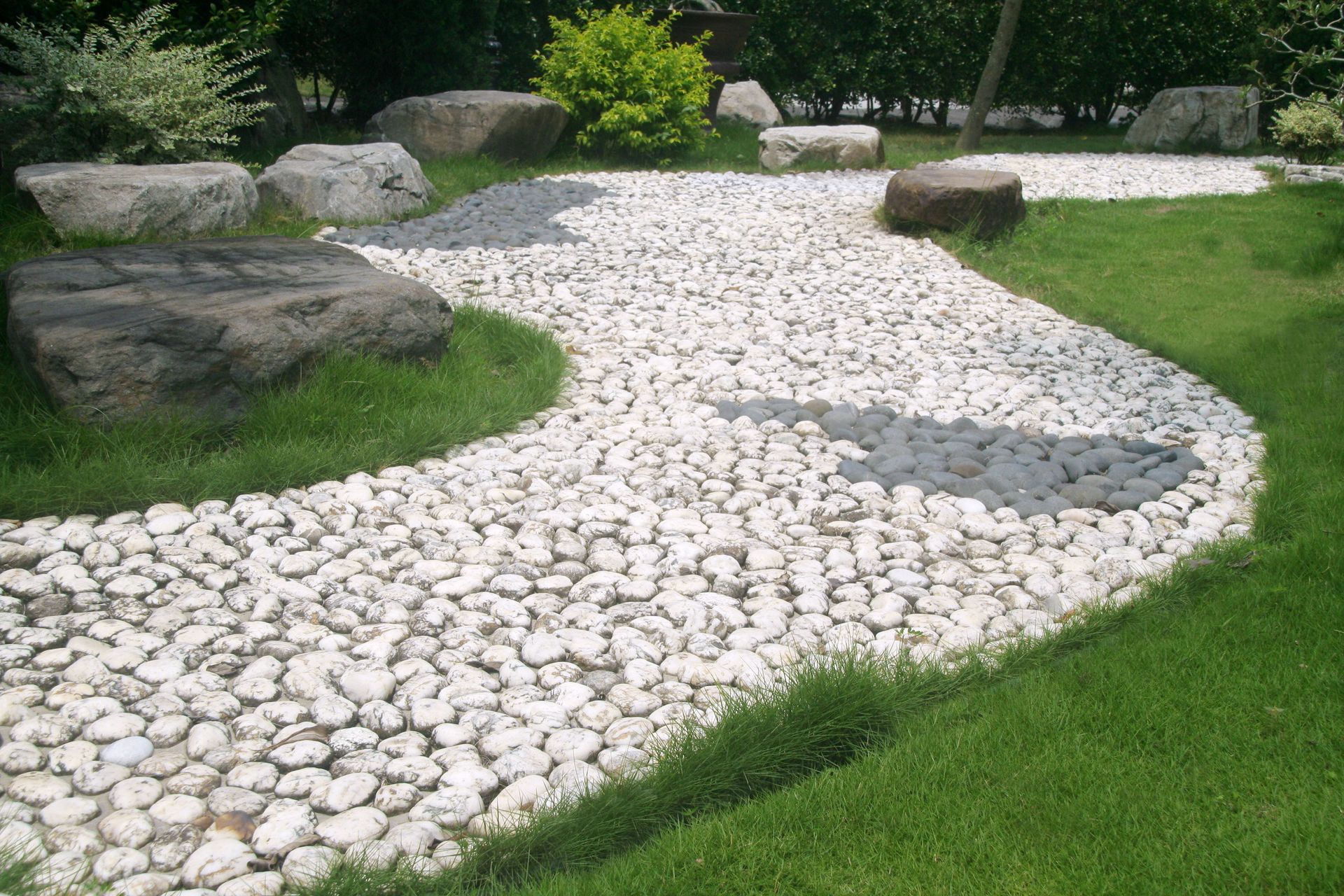
Textured coatings are commonly used around pools because they provide additional traction and help minimize slipping risks. Some finishes are also designed to reflect heat, keeping surfaces cooler under direct sunlight. Decorative finishes can replicate the appearance of stone, tile, brick, or natural materials while maintaining the durability of concrete. Homeowners may choose neutral earth tones, modern gray finishes, or vibrant custom colors to match their outdoor design preferences.
The Application Process
Once the deck has been repaired and prepared, the resurfacing material can be applied. The exact process varies depending on the chosen system, but most projects involve multiple layers and careful timing. Contractors may begin by applying a bonding agent or primer to improve adhesion between the old surface and the new coating. The resurfacing material is then spread, sprayed, troweled, or stamped onto the deck using specialized tools and techniques.
Some finishes require decorative texturing or pattern stamping during application. Contractors work carefully to create a consistent appearance across the entire surface. Depending on the size of the pool deck and the complexity of the design, application may take one or several days. Weather conditions can also influence scheduling and drying times.
Curing and Drying Time
After the pool deck resurfacing material has been applied, the deck must cure properly before it can handle foot traffic or pool activity. Curing time varies based on the product used, humidity levels, temperature, and weather conditions. Some coatings may dry enough for light foot traffic within 24 hours, while others require several days before furniture can be replaced or the pool area fully reopened.
Contractors usually provide specific instructions regarding when the deck can safely be used again. Following these recommendations is essential for achieving maximum durability and performance. During the curing process, homeowners may notice temporary color variations or slight texture changes as the materials settle and harden. These variations often even out once curing is complete.
Improved Safety Features
One major advantage of resurfacing a pool deck is the opportunity to improve safety around the pool area. Older decks can become slippery, uneven, or rough over time, increasing the risk of accidents. Modern resurfacing systems often include slip-resistant textures designed specifically for wet environments. These textured finishes help improve traction while maintaining an attractive appearance.
Cool deck coatings are another popular option because they reduce surface heat absorption. This can make walking around the pool more comfortable during hot weather, especially for children and pets. Resurfacing can also eliminate trip hazards caused by cracks, shifting surfaces, or deteriorating concrete edges. By improving both traction and surface condition, resurfacing contributes to a safer outdoor environment.
How Long the Project Typically Takes
The timeline for a pool deck resurfacing project depends on several factors, including deck size, surface condition, and weather conditions. Smaller projects with minimal repairs may be completed in just a few days, while larger or more decorative installations can take a week or longer from preparation to final curing.
Weather plays a significant role in scheduling because moisture, rain, or extreme temperatures can affect material application and curing. Contractors may adjust timelines to ensure ideal conditions for the best results. Communication with the contractor throughout the process helps homeowners stay informed about progress and any schedule adjustments that may occur. Although resurfacing may temporarily limit access to the pool area, the improvement in appearance and durability often makes the short-term inconvenience worthwhile.
Maintenance After Resurfacing
After the pool deck resurfacing project is complete, proper maintenance helps preserve the appearance and longevity of the new deck. Contractors often provide care recommendations tailored to the specific resurfacing system used. Routine cleaning helps prevent dirt buildup, algae growth, and staining. Pool chemicals should also be balanced properly to minimize potential surface damage from chemical exposure. Some resurfaced decks benefit from periodic resealing to maintain protection against moisture, UV rays, and wear. Sealers can also enhance color vibrancy and simplify cleaning.
Heavy furniture or sharp objects should be handled carefully to avoid scratching or damaging decorative finishes. Promptly addressing small cracks or stains can also help extend the life of the surface. With proper care, many resurfaced pool decks remain attractive and functional for years before requiring additional updates.
According to Elevate by Design, in 2024, 78% of industry experts identified seamless indoor-outdoor transitions as the biggest trend. Whether your goal is to modernize the space, improve functionality, or restore worn surfaces, pool deck resurfacing provides a practical solution that can significantly upgrade the overall outdoor living experience. Contact Lusterstone Decorative Pebble Paving today to get started!